As you know, I spend a bit of time scouring Appalachian history books in search of extraordinary crime stories and often try to separate the facts from the legends. IÔÇÖve pulled stories from Western North Carolina: A History (1730-1913) (1914) by John Preston Arthur, A History of Buncombe County, North Carolina (1930) by F. A. Sondley, and Letters from the Alleghany Mountains (1849) by Charles Lanman.
Fun fact: John Preston Arthur wrote newspaper articles under the pen name Bud Wuntz, and they are a hoot to read. My personal favorite is his column, titled “Spill-Corn Laurel and Its Lawyers,” from the 1903 Raleigh Morning Post.
I recently came across Stories of Old Kentucky (1915) by Martha C. Grassham Purcell, and in it, I found the extraordinary story of Larkin Liles.
In the spring of 1836, two men, Larkin Liles (or Lyles) and Edward Campbell, were drinking (a lot) at a tavern in Vanceburg, Kentucky. Each was a large, powerful man and given to rowdy endeavors.
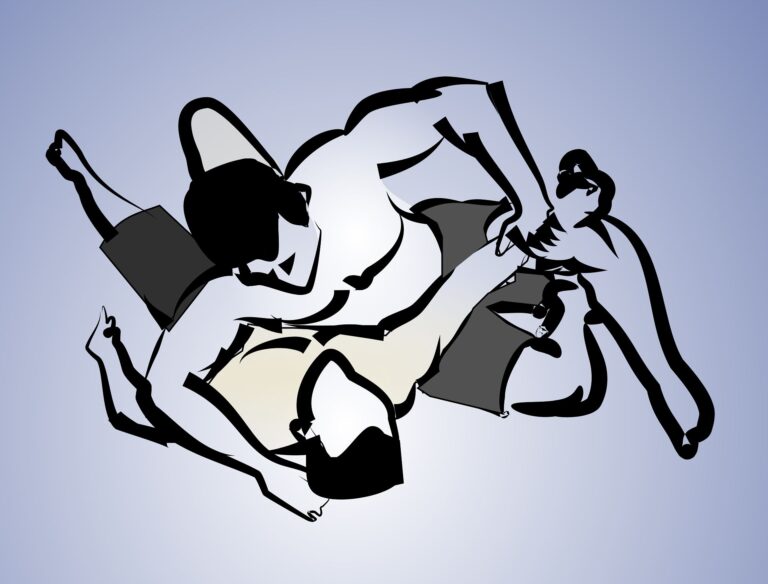
One thing led to another, and they found themselves outside, engaged in a rough and tumble brawl. Witnesses reported that they ÔÇ£hit one another like hosses a-kicking.ÔÇØ Campbell got the better of Liles and had him pinned.
Liles was a proud man and had apparently been the local champion fighter for some time. Unwilling to admit he was licked, Larkin raised his head and bit off a portion of the inside of CampbellÔÇÖs lower lip.
This rash tactic landed Liles in court, charged with the offense of mayhem (maiming a person). In the September term of the Lewis County Circuit Court, a jury found him guilty, and he was sentenced to a year in the Frankfort Penitentiary.
Detours on the Path to the Penitentiary
HereÔÇÖs where the story gets interesting.
Instead of putting Liles in jail, Sheriff W. B. ÔÇ£BuckÔÇØ Parker told him to go home, and he would be out to talk to him the next day.
When Sheriff Parker called on Liles the next day, he found him hard at work gathering his corn crop. He asked the sheriff for two weeks to finish harvesting his crops, cut firewood, and complete assorted chores, so his family would be okay through the winter.
Parker told him to come find him in two weeks, which Liles did. (ItÔÇÖs not like the penitentiary was going anywhere.)
The sheriff planned for them to take the stagecoach from Clarksburg to Frankfort with a stop in Maysville so the sheriff could take care of some business there. However, Liles had another request; he wanted to walk, taking his rifle, and do some hunting along the way. Parker agreed to meet Liles in Frankfort.
Some sources claim that Liles walked because he couldnÔÇÖt bear the shame of being transported as a prisoner.
I would like to point out that the distance between Clarksburg and Frankfort on modern roads is more than 100 miles. Somehow, Liles made it to Frankfort ahead of Parker.
Cut to Kronk from The Emperor’s New Groove holding a map and saying, ÔÇ£Well, ya got me. By all accounts, it doesn’t make sense.ÔÇØ LetÔÇÖs just go with it and assume that ParkerÔÇÖs business in Maysville got way out of hand.
So Larkin Liles turns up at the governorÔÇÖs mansion, locates the governor, and asks politely to be let into the penitentiary so he can start serving his one-year sentence.
Governor James Clark (a Whig if that matters) tells him that he canÔÇÖt do that without some paperwork. Clark then invites this rather large, hulking figure of a man clad in buckskins and carrying a flintlock to have breakfast with him. Hospitality was an iron-clad thing in that place and time.
As theyÔÇÖre dining, who should show up but Sheriff Buck Parker, who apologizes for arriving late and explains the circumstances of LarkinÔÇÖs crime.
From the Roanoke, Virginia Times, Tuesday, December 20, 1892, Page 3:
ÔÇ£No,ÔÇÖ returned the sheriff, ÔÇÿnot for May hensÔÇöit was for bitinÔÇÖ a piece outen the inside of Ed CampbellÔÇÖs lower lip. AnÔÇÖ now, I want ter tell ye, governor, there never was a better man than Larkin Lyles, anÔÇÖ I want ter say further, that Ed Campbell is a heap sight better lookinÔÇÖ man than he wuz before. His lip wuz a heap too thick, governor, anÔÇÖ Larkin jist trimmed it down to about the right size.ÔÇØ
Governor Clark, impressed by Liles ÔÇÖ honesty and ParkerÔÇÖs trust in Liles, wrote out a pardon on the spot and sent them home.
Fact Check (Likely True)
ItÔÇÖs a heckuva of a story, but is it true? I consulted my favorite online newspaper and genealogy archives to see what I could find.
ThereÔÇÖs a Kentucky marriage record for Larkin Liles and Mary ÔÇ£PollyÔÇØ Plummer in 1829. The Roanoke newspaper story quoted earlier references LarkinÔÇÖs wife as Polly Ann.
FindaGrave.com records a grave for Larkin Liles (1790-1849) in Lewis County, Kentucky, which includes a photo of the metal plate that reads,
ÔÇ£Here lies a pioneer backwoods man whose word was his bond.ÔÇØ
The Frankfort Kentucky Commonwealth newspaper on December 10, 1837, notes an act for the relief of W. B. Parker, late sheriff of Lewis County.
James Clark was the 13th Governor of Kentucky from August 1836 to August 1839.
The Kentucky State Penitentiary in Frankfort was the first prison built west of the Allegheny Mountains and was completed on June 22, 1800. By contrast, North Carolina did not have a prison until 1884.
Throughout her chapter, titled ÔÇ£A Hero of Honor,ÔÇØ Grassham Purcell refers to Larkin Liles several times as ÔÇ£Jay-BirdÔÇØ Liles. This appears to be an error. LarkinÔÇÖs brother, Henry Liles, Jr., was known as ÔÇ£Jay Bird.ÔÇØ I found his obituary in the January 18, 1884, Louisville, Kentucky, Courier Journal.
I found multiple newspaper articles that tell essentially the same story of Larkin LilesÔÇÖ (or Larkin LylesÔÇÖ) crime, punishment, and pardon from 1892 to 1982. The Roanoke Times, Tuesday, December 20, 1892, and the Sunday, August 3, 1902, Cincinnati Enquirer articles give the best accounts, in my opinion.
If any of yÔÇÖall have access to Governor Clark’s papers and happen across a pardon for Larkin Liles, hit me with an email, and weÔÇÖll mark this one confirmed.
For more Appalachian true crime stories, check out my Substack.
You can contact me here.
Sources
Grassham-Purcell, Martha. Stories of Old Kentucky. NEW YORK, American Book Company, 1915.
Louisville Courier-Journal, KY, January 18, 1884, Page 6, “A Veteran Hunter” (Obituary of Henry “Jay Bird” Liles, Jr)
Louisville Courier-Journal, KY, Sunday, November 6, 1892, Page 19, “A Queer Case”
Roanoke Times, VA, Tuesday, December 20, 1892, Page 3, “A Queer Case”
Elizabethtown News-Enterprise, KY, Friday, February 24, 1893, Page 3, “The Prisoner Walked”
Cincinnati Enquirer, OH, Sunday, August 3, 1902, Page 26, “A Pythian of Kinoconick”
Raleigh Morning Post, NC, Sunday, September 6, 1903, “Spill-Corn Laurel and Its Lawyers,” by Bud Wuntz